Neck and upper back
Do not shrug off the pain.
If you look at a two year old, their ear sits right over their shoulder. That is how posture is meant to work for the rest of a life, and neck and upper back pain is usually the first sign that it has stopped.

What untreated pain tends to cost you
- Changing your quality of life and mood
- Keeping you from doing what you love
- Causing irritability and distraction
- Stopping exercise and other good habits
Poor posture does not just look bad. Many people only realize something is wrong once neck, shoulder or upper back pain, headaches, breathing issues or repetitive strain stop improving on their own. Others never get an obvious symptom at all. The stress is there anyway, quietly building, long before it announces itself.
Finding the issue behind the symptom
We try to find the mechanical issue underneath the pain, whatever that turns out to be, and give you an actual answer for it. On your first visit, Dr. Weitz tests your reflexes and flexibility and runs an Insight Millennium scan to see how your nervous system is functioning, which tells us more than where it currently hurts. The same appointment includes the exam itself, and the whole thing runs 45 to 60 minutes.
No twisting, no cracking, no popping
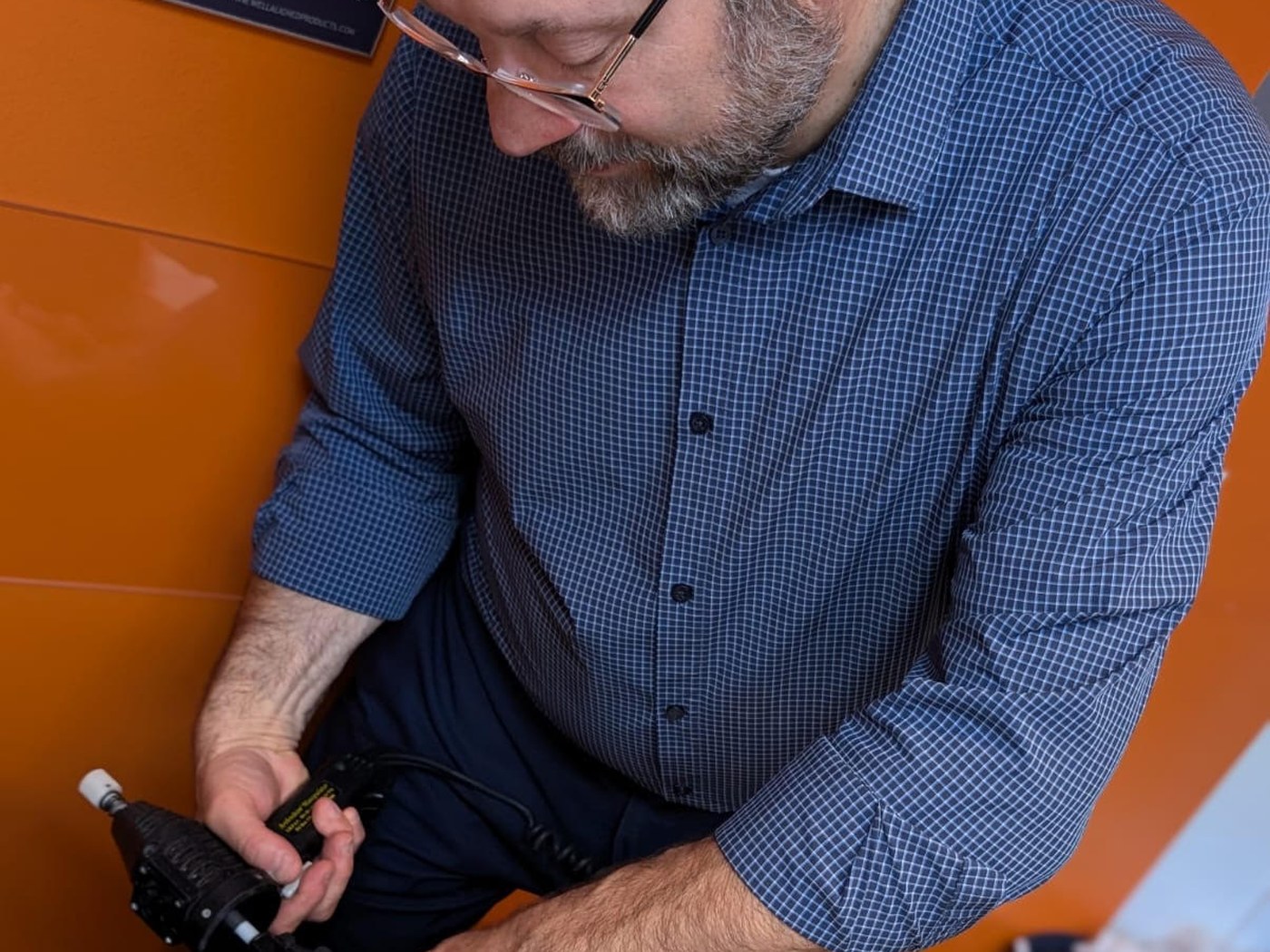
Care is delivered with the Integrator, a handheld instrument, using Torque Release Technique, with an impulse light enough that most patients describe the adjustment as barely noticeable, even on necks that have been through fusion surgery.